A cold front finally rolls into Freestone County, you turn up the thermostat, and at first the furnace seems fine. Then you notice it keeps clicking on and off, or one bedroom still feels like an icebox, or a new rattle starts up in the ceiling. Now you are stuck between worrying about safety, dreading a big repair bill, and hoping it is just a simple fix.
Many homeowners in Freestone and Limestone Counties land in that exact spot every winter. They know something is off, but they are not sure whether to keep running the system, start taking things apart, or shut it down and call for help. That uncertainty can be just as uncomfortable as the chilly air in parts of the house, especially when you rely on your furnace to keep family members warm overnight.
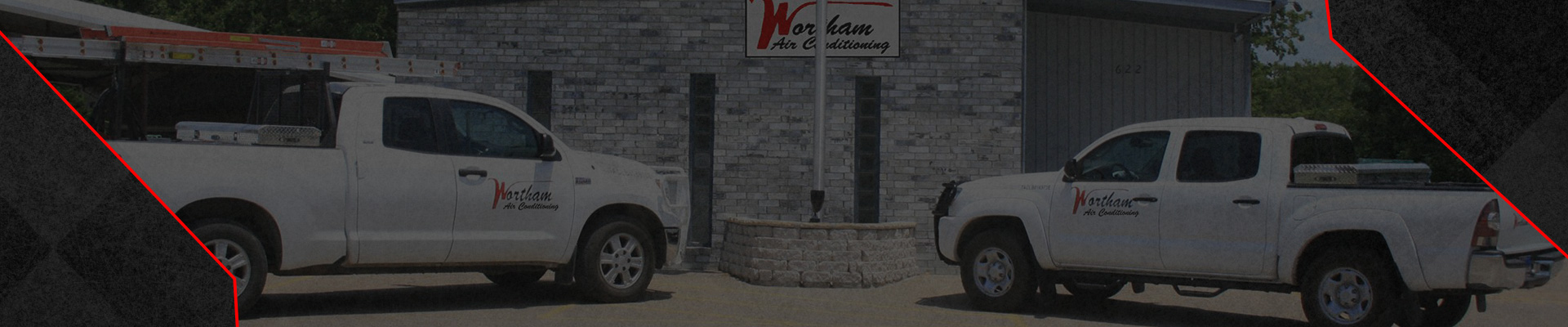
Wortham Air Conditioning has been working on heating systems in this area since 1956, from the same location our family business has used for decades. We see the same furnace problems again and again in local homes, which means we know which symptoms often have simple causes and which ones point to deeper trouble. In this guide, we will walk through common furnace issues, explain what is likely happening behind the scenes, and show you which steps you can safely take yourself before calling our trained, licensed, and insured technicians.
The Basics Behind Common Problems
Every modern forced air furnace follows the same basic script. The thermostat senses that the temperature has dropped below the set point, then sends a signal to the furnace control board to start a heating cycle. The furnace ignites the burners or activates heating elements, warms up the heat exchanger, and then starts the blower motor to push warm air through the ductwork. Safety controls monitor temperature and flame, and if anything looks wrong, they shut the system down to prevent damage.
When short cycling, uneven heating, or strange noises show up, something in that sequence is not behaving as designed. A limit switch might be shutting the furnace down because the heat exchanger is getting too hot. The blower might be struggling against high static pressure from dirty filters or pinched ducts, which starve some rooms of airflow and leave others overheated. A loose blower wheel or aging bearings can create new sounds as the motor ramps up and down, while ductwork can pop as metal expands and contracts.
In Freestone and Limestone Counties, we also see local conditions add to the mix. Long, dusty summers load up filters faster than many homeowners expect, then the first cold snap exposes those restrictions when the furnace works harder. Older homes with add-on rooms or converted garages often have long, poorly balanced duct runs that never quite get enough warm air. Because Wortham Air Conditioning has been working in these same neighborhoods since the 1950s, we recognize these patterns quickly, and the troubleshooting steps we share here are grounded in what actually goes wrong in local systems year after year.
Why Your Heat Keeps Turning On and Off
Short cycling occurs when your furnace starts, runs for only a few minutes, then shuts off and starts again, sometimes repeatedly in a short period. You might hear the burners or heating elements come on, feel a bit of warm air from the vents, then notice the sound stop and start repeatedly. Besides being annoying, this kind of operation can waste energy, wear out parts faster, and, in some cases, signal that a safety control is stepping in to prevent overheating.
One common reason for short cycling is restricted airflow. When a filter is clogged or many vents are closed or blocked, the blower cannot move enough air across the heat exchanger. The metal heats up too quickly, the high limit switch senses the high temperature, and it tells the control board to shut down the burners. The furnace cools off, resets, and tries again, creating a rapid on-and-off pattern. In other homes, the furnace itself may be oversized for the square footage, which means it brings the thermostat up to temperature so fast that the cycles are very short, even though the rest of the house does not feel evenly warm.
Over time, repeated cycling like this can stress the heat exchanger, blower motor, and ignition components. The system is designed to run for a reasonable length of time, then rest, rather than constantly starting and stopping. The additional expansion and contraction of metal parts, along with electrical surges at every start, can shorten the life of key components. Before you assume you have a major failure on your hands, there are a few safe checks you can do that often resolve short cycling in Freestone homes.
Safe Short Cycling Checks You Can Do Yourself
Start with the air filter. Turn the system off at the thermostat, slide the filter out of its slot, and hold it up to a light. If it is gray or brown and you cannot see light through much of the surface, it is likely restricting airflow. Replace it with the correct size and type recommended for your system, then restart the furnace and see if the cycle length improves over the next hour or two of operation.
Next, walk through the house and make sure all supply registers and return grilles are open and not blocked by furniture, rugs, or boxes. In our experience, homeowners often close vents in unused rooms, trying to save money, but this can increase pressure in the duct system and contribute to short cycling. Also, check the thermostat settings to confirm it is in heat mode, set to a steady temperature, and not set to an aggressive setback schedule that makes the furnace run in short bursts as it chases large temperature swings.
When Short Cycling Signals a Bigger Problem
If you have a clean filter, all vents are open, and the thermostat settings look reasonable, but the furnace still short-cycles, you may be dealing with a worn or sticking limit switch, a failing blower motor, or a furnace that is simply too large for the home. Other warning signs include a burning smell that persists after a few minutes of operation, bright red or orange hot spots on the furnace cabinet, or a breaker that trips when the furnace tries to start. Any of these suggests the furnace is working under stress.
These issues are not safe to tackle without proper training and tools. The limit switch and other safeties are there to keep the furnace from overheating or running with a problem, and bypassing them can create a fire or carbon monoxide risk. At that stage, it is time to shut the system off and schedule a visit from a trained, licensed, and insured technician. Our team at Wortham Air Conditioning frequently finds that persistent short cycling in Freestone homes stems from a combination of airflow problems and control issues, and we use testing and measurement, not guesswork, to get to the root of the problem.
Ductwork & Airflow Issues That Cause Hot and Cold Spots
In attics around Freestone and Limestone Counties, we often find flexible ducts that have been crushed under stored boxes, kinked around framing, or partially disconnected at fittings. Any of these conditions reduces airflow to the rooms they serve, while nearby rooms with short, straight runs get more than their share. A supply duct that has separated from its boot may be dumping warm air into the attic rather than the intended room, wasting energy and leaving the space colder.
Lack of adequate return air can cause problems, too. If a section of the house has several supply vents but no nearby return grille, air is pushed into the rooms but lacks an easy path back to the furnace. That imbalance makes it harder for the blower to move air through those rooms and can contribute to pressure problems. When we evaluate uneven heating complaints, we look at the entire duct layout with this in mind, not just at the furnace itself, and we consider how realistic it is to improve airflow in existing construction.
What Different Sounds Usually Mean
Furnaces and duct systems are not silent, especially in older homes, but new or changing sounds deserve attention. You might hear banging, popping, rattling, squealing, grinding, or a loud whoosh as the system starts up. Each of these has different common causes, and some are more serious than others. Understanding what these noises often point to can help you decide when to monitor, when to tighten a loose panel, and when to shut the system down and call a technician.
Banging or popping sounds, especially right as the furnace starts, sometimes come from metal ductwork expanding as it heats up. This can be normal in systems with large flat duct sections, though very loud bangs may indicate that static pressure is too high and the ducts are being stressed. Rattling can come from loose panels, screws, or vent covers that vibrate when the blower runs. A steady, high-pitched squeal while the blower is on often points to a worn belt or motor bearing, depending on the type of blower your system uses.
Grinding or scraping noises are more serious. These may indicate that the blower wheel is rubbing against the housing because a set screw has loosened or a bearing has failed. In gas furnaces, a loud boom at ignition can signal delayed ignition, where gas builds up for a moment before igniting, which can stress the heat exchanger. A persistent whooshing or roaring sound can indicate airflow problems or burner issues. Our licensed technicians are trained to safely track these sounds to specific components and to correct the underlying cause once it is identified.
Noises You Can Watch and Noises You Should Not Ignore
If you hear light metal pops when the system starts or stops, and they have been present since you moved in, they may simply reflect duct expansion and contraction in an older installation. Similarly, a mild rattle that goes away when you gently tighten an accessible vent cover or panel screw is usually not a cause for alarm. You can note these sounds and mention them at your next maintenance visit so a technician can double-check them.
On the other hand, do not ignore grinding, loud squealing that worsens over time, sharp bangs at startup, or any new noise clearly coming from the furnace cabinet itself. Those sounds often signal failing parts and could lead to a sudden breakdown or, in the case of combustion-related problems, safety concerns. In those situations, turn the furnace off at the thermostat and contact Wortham Air Conditioning so a technician can diagnose the cause before more damage occurs.
Thermostats, Filters, and Airflow: Simple Fixes That Solve Many Problems
Some furnace issues really do come down to basics, especially in a climate like ours where systems sit idle through long stretches of warm weather. Thermostats, filters, and airflow adjustments are three areas where homeowners can safely make changes that often resolve nuisance problems. The key is to understand how each one ties into the symptoms you are seeing, rather than just changing things at random and hoping for the best.
A thermostat mounted on an exterior wall, near a drafty door, or in direct sunlight can misread the home's true temperature. That can lead to short, frequent cycles or rooms that feel too warm or too cool compared to the thermostat setting. Dead or weak batteries can also cause erratic behavior in some models. Checking that the thermostat is level, in the right mode, set to a reasonable temperature, and equipped with fresh batteries is a simple step that can rule out one common cause of strange furnace behavior.
Filters are even more critical. In our area, where dust and pollen levels are high much of the year, filters can load up quickly. A dirty filter increases airflow resistance, raising the temperature across the heat exchanger. The furnace may respond by short cycling to protect itself, or certain rooms may get less airflow and feel colder. It is a good practice for homeowners to inspect their filters monthly and replace them every one to three months, depending on the type of filter and how dusty their home gets.
Airflow at the vents plays a role, too. Closing several supply registers to “push” more air into other rooms can backfire by increasing pressure in the duct system and encouraging air leaks. Instead, it is usually better to keep most vents open and adjust furniture and curtains so they do not block airflow. If you notice very weak airflow from certain vents, even with a clean filter and open registers, that is a sign of a duct issue that deserves a closer look by a professional.
When Furnace Troubleshooting Stops and Safety Comes First
There is a clear line between safe homeowner troubleshooting and work that belongs to a trained, licensed, and insured HVAC technician. Changing filters, checking vents, adjusting thermostat settings, and visually noting obvious duct damage are all reasonable steps for most people. Beyond that, especially when gas, high-voltage electricity, or safety controls are involved, it is time to put safety first and avoid removing panels or reaching into the equipment.
Red flag signs include any smell of gas, visible soot or charring around the furnace, melted wiring insulation, breakers that trip repeatedly, flames in a gas furnace that are yellow, orange, or dancing wildly, or loud mechanical noises from the blower or burner area. If you encounter any of these, shut the system off at the thermostat and, if you suspect a gas leak, leave the home and contact the gas utility before anyone works on the equipment. These symptoms point to issues that can affect not only comfort but also the safety of everyone in the house.
Attempting to reset internal safety switches, bypass a limit control, clean burners, or open electrical compartments without proper training can turn a minor problem into a major hazard. It can also affect warranties or cause issues with insurance coverage. Our technicians at Wortham Air Conditioning are licensed and insured, meaning they are trained to work safely on gas and electrical components and are accountable for the work they perform. When safety warning signs appear, calling us is not just about getting the heat back on; it is about protecting your home and family.
How Wortham Air Conditioning Solves Recurring Furnace Problems in Freestone
When basic troubleshooting does not resolve the issue or when you see any serious warning signs, the next step is a thorough evaluation by someone who understands both the equipment and the way local homes are built. At Wortham Air Conditioning, a furnace service call typically starts with listening carefully to how you describe the problem, when it started, and what you have already tried. From there, we check the simple items first so you don't pay for unnecessary parts or repairs when the fix may be straightforward.
Our technicians then move into testing and inspection. This can include measuring temperature rise across the furnace, checking static pressure in the duct system, verifying that safety controls are operating correctly, and inspecting accessible ductwork and attic conditions. Because we have been working in Freestone and Limestone Counties since 1956, we are familiar with common home layouts, duct configurations, and insulation patterns, which helps us quickly zero in on likely trouble spots without much trial and error.
In many cases, solving a “furnace problem” involves more than adjusting a control or replacing a part. We might recommend duct repairs to restore airflow to cold rooms, or improvements to attic insulation to reduce heat loss so the furnace does not have to work as hard. Since Wortham Air Conditioning offers repairs, replacements, installations, and attic insulation, we can address these issues in a coordinated way. The goal is a system that runs smoothly, keeps your whole home comfortable, and reduces the likelihood of the same problems recurring every winter.
Get Confident, Safe Furnace Help in Freestone County
Understanding what your furnace is doing when it short-cycles, heats unevenly, or makes new noises takes some of the mystery out of those cold nights when the system does not feel quite right. By checking filters, vents, and thermostat settings, and by knowing which warning signs mean it is time to shut the system down, you can prevent small issues from turning into big emergencies and feel more confident in the steps you take.
When your own troubleshooting does not resolve the problem, or when you notice any red flag symptoms, the next step is to bring in a team that understands both the equipment and the homes in Freestone and Limestone Counties.
Wortham Air Conditioning has been serving this community from the same location since the 1950s, and our trained, licensed, and insured technicians are ready to diagnose your furnace and address the duct and insulation issues that often underlie comfort complaints. To schedule furnace service or ask a question about what you are seeing, call us today.